
Travel Tips
Your Practical Guide for a Smooth Journey
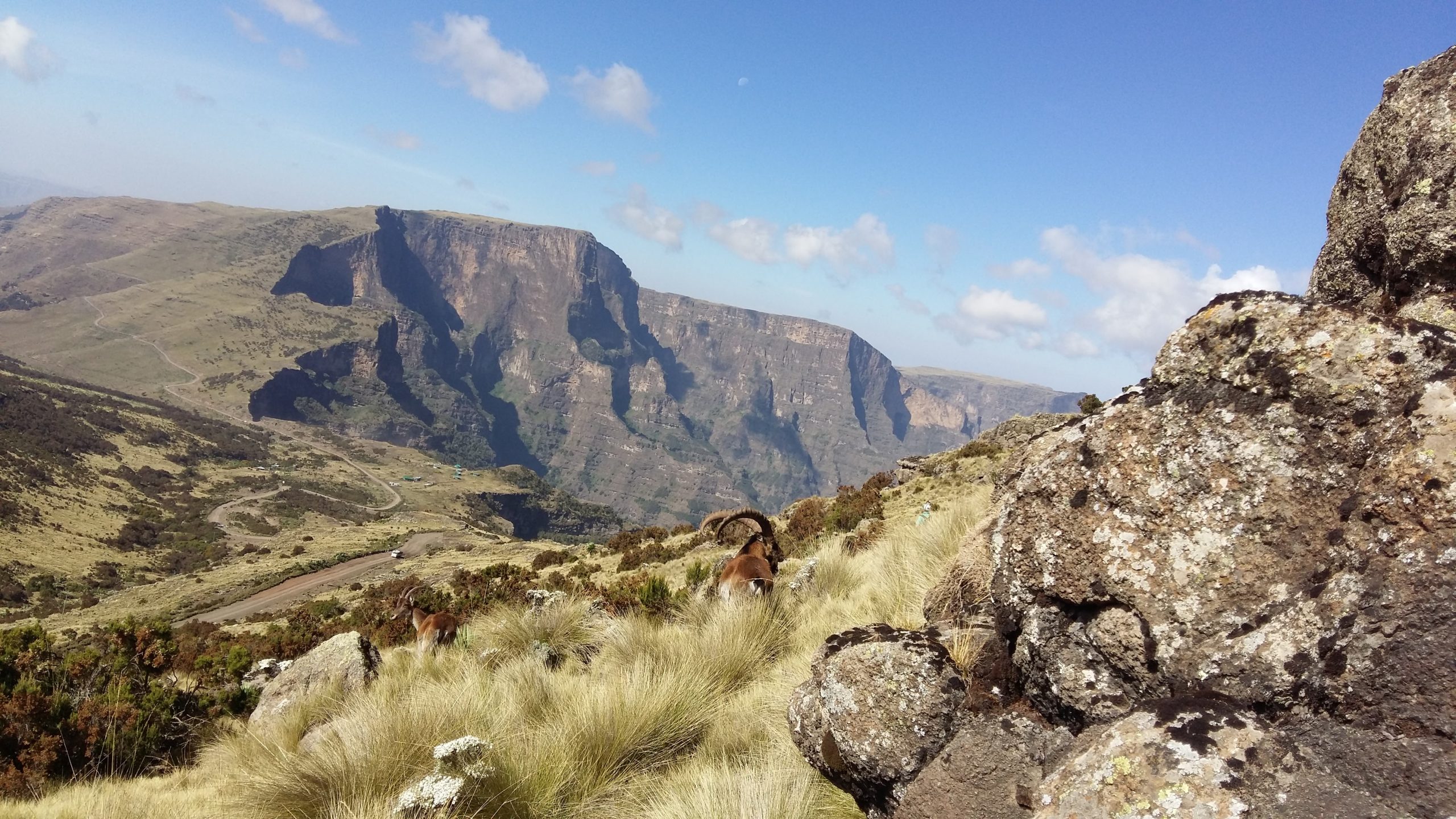
Travel Tips for Ethiopia
Your Practical Guide for a Smooth Journey
In this guide, you will find practical facts and local insights designed to help you prepare for a seamless and enjoyable journey from start to finish. Please note that as Ethiopia is a dynamic and rapidly evolving country, some of the information provided may be subject to change. Ethiopians generally value modest dress, and we encourage visitors to be mindful of this, especially when visiting religious sites. Out of respect for local traditions, shoes must be removed before entering churches and mosques. A helpful “pro-tip” for sites like Lalibela is to bring a pair of heavy socks to keep your feet comfortable while walking across the ancient stone floors.
Ethiopia is defined by the vast Ethiopian Highlands, known as the “Roof of Africa,” reaching elevations above 4,550 meters at Ras Dashen. The landscape is divided by the Great Rift Valley, which creates dramatic scenery, lakes, and volcanic terrain.
To the northeast lies the extreme Danakil Depression, one of the hottest and lowest places on Earth. Ethiopia is also the source of the Blue Nile, beginning at Lake Tana and flowing through deep canyons across the region.
Ethiopia is generally considered a safe and welcoming destination with a strong culture of hospitality. Violent crime is rare, especially in tourist areas.
Travel tips:
- Be mindful of pickpockets in busy markets
- Avoid carrying large amounts of cash
- Travel during daylight hours on road journeys
- Follow local advice when visiting remote areas
Ethiopia has specific customs rules:
- Declare new or high-value electronics if required
- Keep purchase receipts for expensive items
- Some souvenir items may require clearance at the National Museum
- Photography fees may apply in cultural or tribal areas
The best time to visit is during the dry season (October to May).
- Northern Ethiopia: September–June (best for sightseeing)
- Omo Valley: December–February and July–August (dry periods)
- Addis Ababa: mild climate year-round
- Danakil Depression: extremely hot throughout the year
Pack according to region and season:
- Light clothing for daytime travel
- Warm layers for highland evenings
- Modest clothing for religious sites
- Sturdy walking shoes for trekking and cobbled areas
- Socks recommended for churches like Lalibela
Most travelers can obtain a visa:
- On arrival at Addis Ababa Bole International Airport
- Or in advance via Ethiopian embassies
Land border visas are generally not available, so advance planning is recommended.
- Currency: Ethiopian Birr (ETB)
- Exchange available at banks, hotels, and the airport
- Cash is widely used outside major cities
- Cards accepted in most hotels and urban centers
- Always keep exchange receipts
Ethiopia has over 80 languages.
Commonly spoken:
- Amharic (official language)
- Oromo
- Tigrinya
English is widely used in tourism and major cities.
A highlight of Ethiopian culture is the coffee ceremony, where freshly roasted beans are brewed in a traditional clay pot and served in three rounds:
- Abol
- Tona
- Bereka
- Drink only bottled or treated water
- Avoid raw vegetables in rural areas
- Recommended vaccinations: Hepatitis A & B, Typhoid, Tetanus
- Malaria precautions needed in lowland regions
- High-altitude areas are generally malaria-free
- Time Zone: GMT +3 (EAT)
- Ethiopia uses its own unique calendar system (about 7–8 years behind the Gregorian calendar)
- The day starts at sunrise in local timekeeping
- Ethiopian New Year: around September 11
Key national holidays include:
- January 7: Ethiopian Christmas (Gena)
- January 19: Timket (Epiphany)
- March 2: Victory of Adwa Day
- May 1: Labor Day
- May 5: Patriots Victory Day
- September 11/12: Ethiopian New Year
- September 27/28: Meskel (Finding of the True Cross)
Your Journey, Our Heritage.
Contact with us
Have questions? Feel free to write us
Lorem ipsum dolor sit amet, consectetur notted adipis not icing elit sed do eiusmod tempor incididunt.
Call expert
+ 1 - (246) 333-0088
Write email
contact@example.com
Visit office
880 Broklyn Street, NY, USA